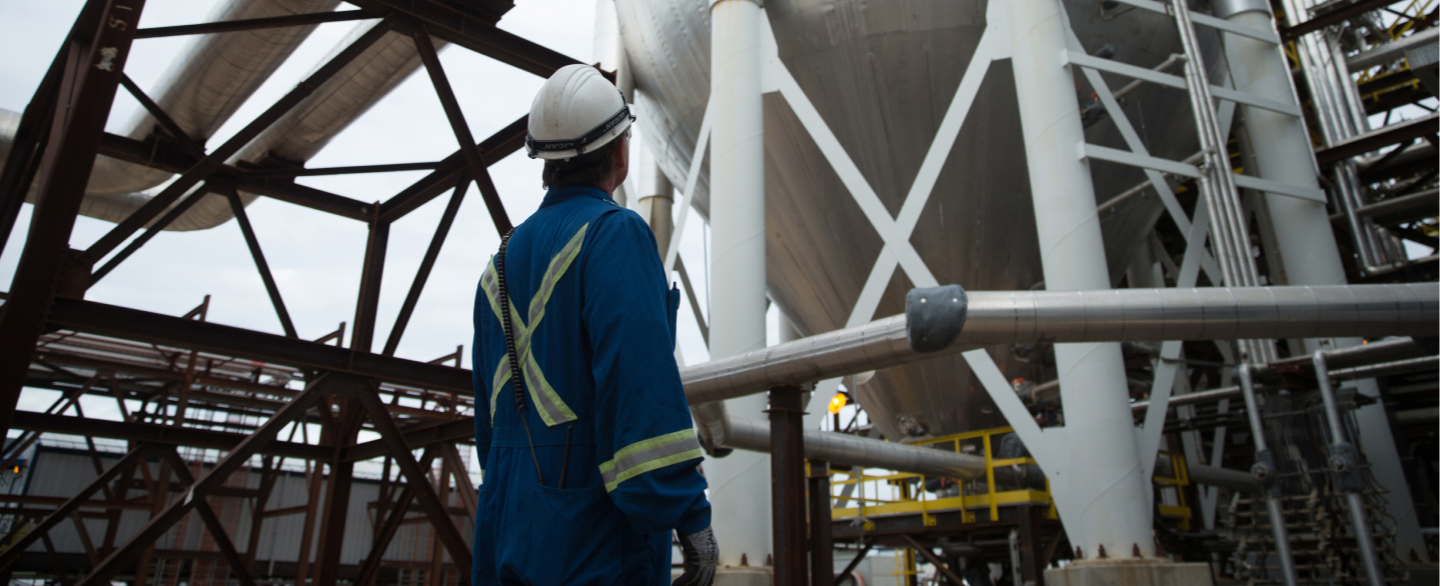
Oil sands economics
The economic role of the oil sands
October 2024
Canada has the fourth-largest oil reserves in the world.1
As conventional oil production declined at the turn of the century, innovations in oil sands production took some big steps forward. This bitumen resource, which some had dismissed as too impractical, was now commercially viable—and it was a game changer.
Between 2001 and 2023, Canadian production rose by 2.8 million barrels per day. Nearly all this growth came from the oil sands. By 2022, Canada’s oil sands yielded 3.1 million barrels per day. Today, the oil sands remain an immense economic driver for Canada and Alberta, and a secure source of energy for the world.2
The world needs secure energy
With the fourth-largest oil reserves in the world, Canada has an important role to play in the global energy future. Forecasts vary, but what’s certain is that global energy demand hasn’t peaked yet—and oil will continue to be a major part of the energy mix.
The global middle class is currently growing at a pace of 100 million people per year,3 increasing demand for oil and oil-related products. Today, worldwide oil consumption is just over 100 million barrels per day.4 With hundreds of millions joining the middle class and consuming more energy, a secure, reliable oil supply will remain essential.
Powering Canada’s economy
The oil sands industry is a key driver of Canada’s economy. As costs rise and Canadians face financial uncertainties, it is important to maintain strength in all sectors. This includes the oil sands industry.
Canada benefits from a strong energy sector
Now and in years to come, the energy sector will contribute to Canada’s economic well-being.
From 2017–2023 the oil and gas sector contributed $123 billion to federal and provincial governments.5 The contributions of the oil sands industry help to fund roads, bridges, schools and more.
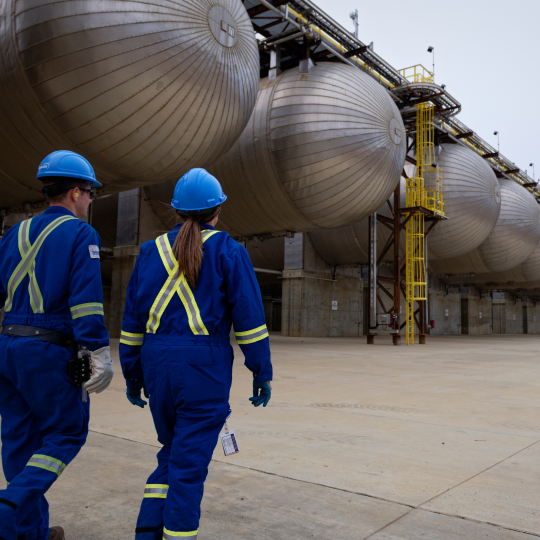
Innovating Canada’s oil sands
Canada’s Oil Sands Innovation Alliance (COSIA) is the innovation arm of Pathways Alliance. Since 2012, COSIA has focused on collaborative action and innovation in oil sands environmental technology.
COSIA brings together academics, researchers, innovators and others to collaborate on solutions that could produce improvements in four priority areas:
- Tailings
- Water
- Land
- Greenhouse gases
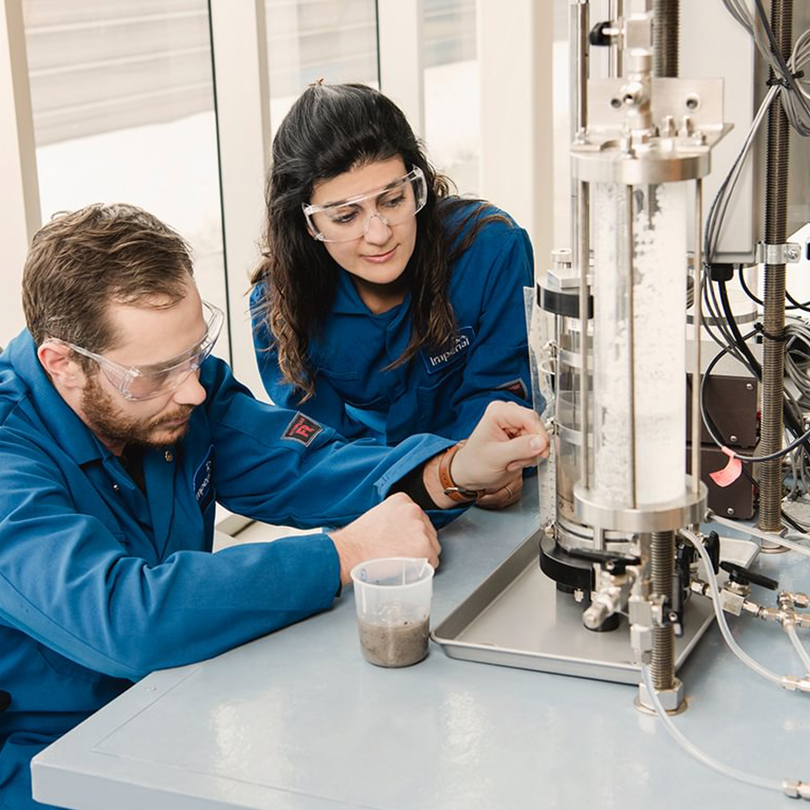
Economy and innovation
November 2025
See how Canada’s oil sands power our economy and fuel innovation for our energy future.
1, 7 Energy Fact Book 2024–2025.
2 CAPP Data Centre, 2025.
3 World Data Lab via Visual Capitalist Blog, 2023.
4 International Energy Agency, 2024.
5, 8 Statistics Canada.
6 Macdonald-Laurier Institute, 2024. (2000-2021 data collected through CAPP; 2021-2024 data from public sources. This number does not represent profits or dividends. It is the amount of direct spending: capital, operating expenses, taxes and royalties.)