Carbon capture and storage (CCS)
CCS technologies capture CO2 from a large emissions source before it reaches the atmosphere. The CO2 is compressed and turned into liquid form, which can flow through a pipeline to a storage facility, where it is stored deep underground. Captured CO2 is typically stored between 1,000 and 2,000 metres beneath the Earth’s surface.
How CCS strengthens our industry
The oil and gas sector supports more than 446,000 jobs across Canada and generates billions in tax and royalty revenue. A resilient oil sands industry is necessary to keep contributing these economic benefits. The proposed Pathways CCS project plays
an important role in moving our industry forward. It helps us:
- Maintain global competitiveness as a secure source of energy that is committed to advancing environmental projects.
- Adapt to evolving domestic and global policies that are expecting continued progress on CO2 emission reduction technologies.
- Build robust carbon capture technology and transportation infrastructure that support future growth.
- Create potential for carbon capture technology and transportation infrastructure to be used by other industries while exporting Canadian expertise around the world.
- Protect economic benefits for Canadians, including government revenue that helps maintain highways, fund healthcare and build transit projects.
- Construction is expected to generate more than 100,000 jobs and $16.5 billion in GDP.
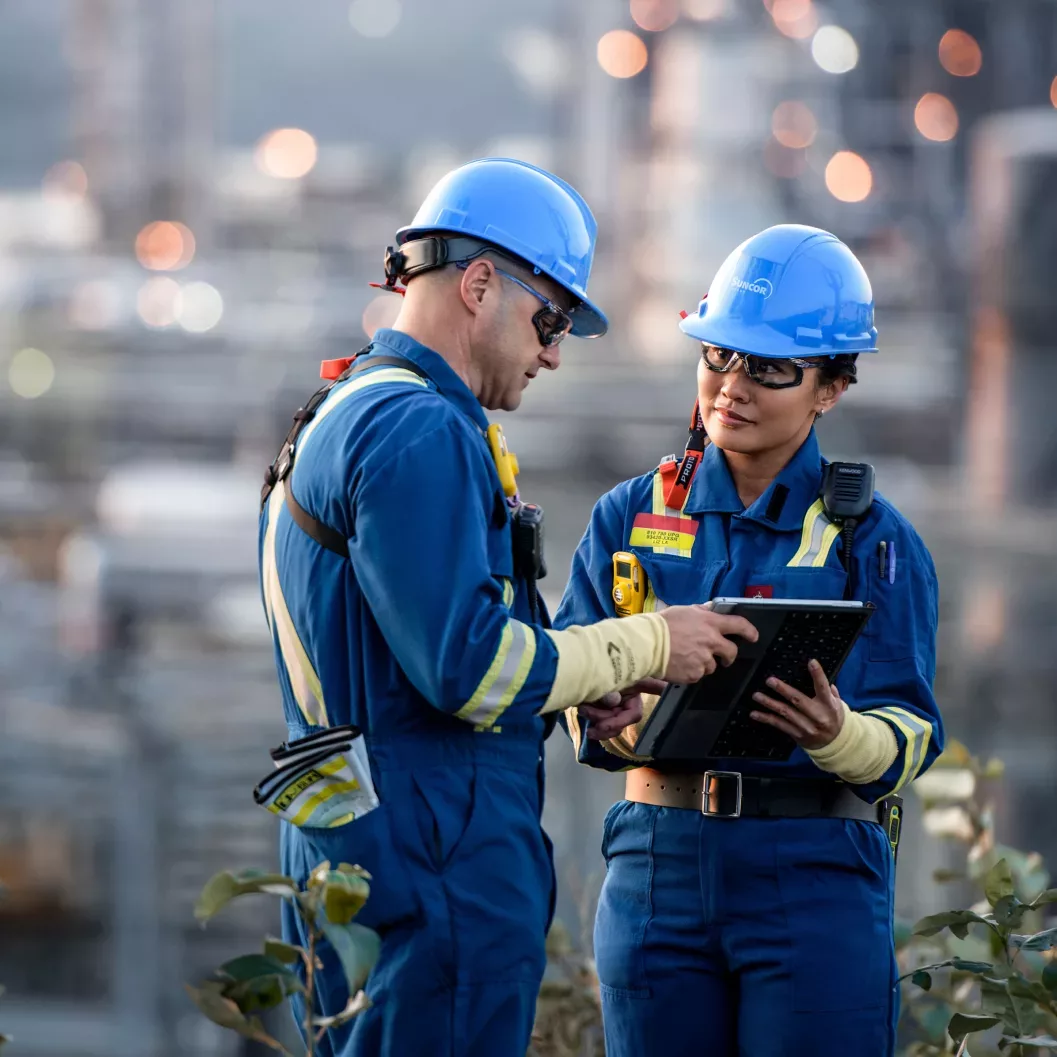
Carbon capture, transportation and storage is a proven technology with the potential to improve emissions intensity from oil sands operations, and our members have the expertise to implement it now.
Kendall Dilling
President, Pathways Alliance
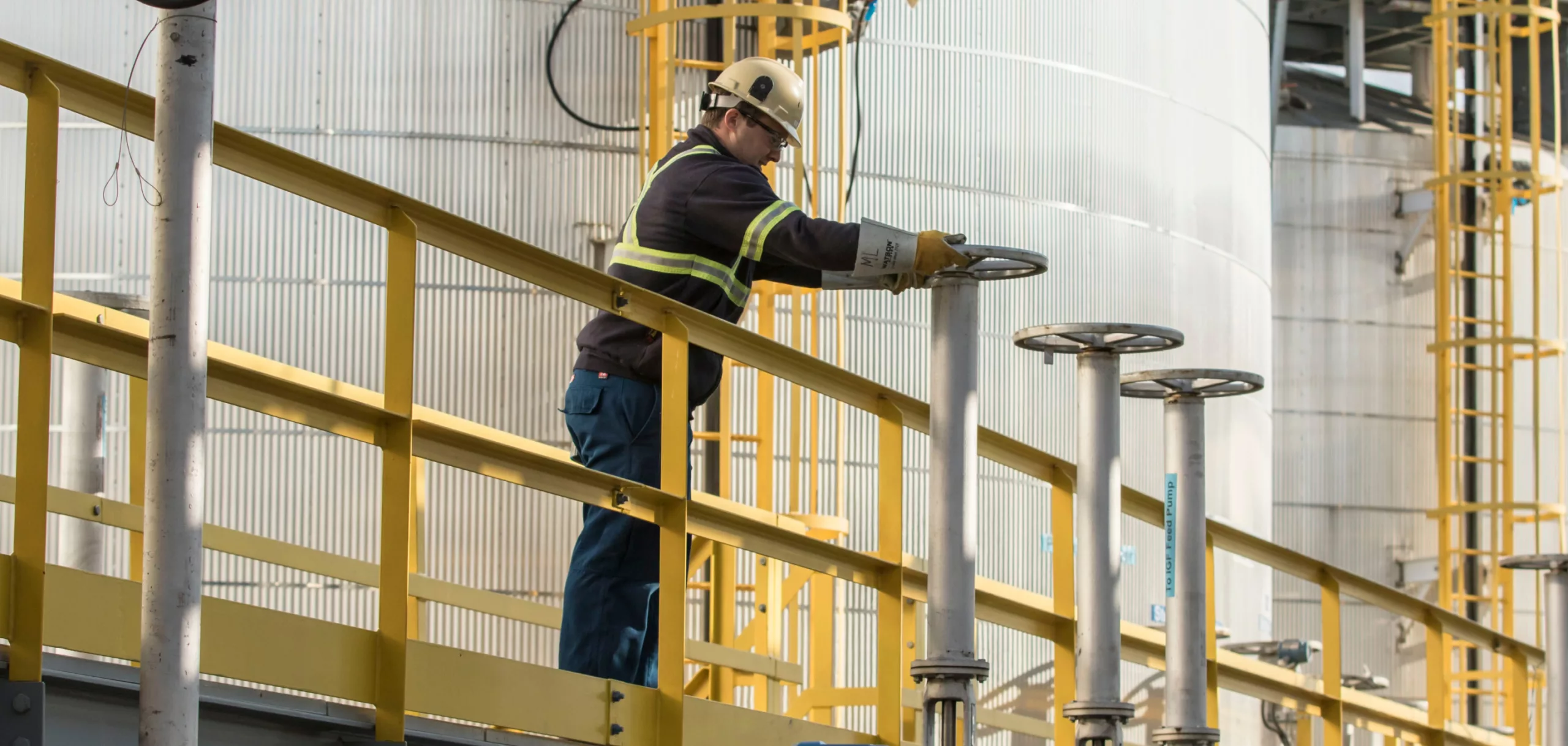
Carbon capture and storage safety
The proposed Pathways CO2 Transportation Network and Storage Hub Project will have a multi-layered safety system based on decades of technical experience and scientific research.
CCS projects around the world
According to the Global CCS Institute’s 2025 Report,1 there are over 77 carbon capture and storage projects in operation and 47 under construction. Learn about some of these projects using the map and case studies below.
*Visuals for illustrative purposes only. Additional facilities not shown.

Click or tap on each hot spot to learn more
Case studies
These are just a few of the large-scale CCS projects currently operating around the world.
Quest CCS facility
The Quest CCS facility is part of the Athabasca Oil Sands Project (AOSP), of which Pathways member Canadian Natural holds a majority interest.2 Quest has a capture capacity of over one million tonnes of carbon dioxide (CO2) per year.3 The captured CO2 is transported by pipeline to well sites, where it’s injected and stored in the BCS formation, more than 2,000 metres underground. The facility began operations in 2015.
Northern Lights project
Northern Lights is the transport and storage part of Norway’s Longship project, which includes capture of CO2 from industrial facilities in the Oslo region. Northern Lights intends to ship the captured carbon dioxide to a terminal on Norway’s west coast and then transport the liquefied CO2 by pipeline to an underwater storage location in the North Sea. They’ll also offer the storage to companies across Europe.5 The first phase of Northern Lights is now completed, and work is underway for a second phase.6 This will be the first cross-border, open-source CO2 transport and storage infrastructure network.7
Porthos
Porthos is a partnership between the Port of Rotterdam Authority, Gasunie and EBN (Energie Beheer Nederland).10 The project will transport CO2 from industrial facilities in the Port of Rotterdam for permanent storage beneath the North Sea. Short for Port of Rotterdam CO2 Transport Hub and Offshore Storage, Porthos is the Netherlands’ first large-scale CO2 transport and storage initiative.11 Captured CO2 will be transported from the Port via pipelines to an offshore platform and injected into depleted gas fields under the seabed. Currently under construction, the project aims to store 2.5 million tonnes of CO2 annually,12 with operations expected to begin in 2026.
Where
Netherlands
When
2026
CO2 captured to date
Porthos will store about 37 million tonnes of CO2, which is about 2.5 million tonnes of CO2 per year for 15 years.13
The Northern Endurance Partnership (NEP)
The NEP is a collaborative project between several leading energy companies. The offshore pipeline network and storage will capture CO2 from industrial facilities in northeast England, transport it by pipeline to the UK North Sea, and permanently store it deep underground in a saline aquifer.
It’s one of several CCS projects undertaken as part of efforts to reduce greenhouse gas emissions and meet the country’s net-zero carbon targets by 2050.14
Where
United Kingdom
When
2028
CO2 captured to date
Up to 4 million tonnes of captured carbon dioxide emissions per year, rising to an average of up to 23 million tonnes by 2035 with future expansion of the East Coast Cluster.15
1 Global CCS Institute, 2025.
2 Shell Quest Annual Report, 2023.
3 Government of Alberta, 2023.
4 Government of Alberta, 2022.
5, 7 Northern Lights Longship Project.
6 Norway Ministry of Energy.
8 Global CCS Institute, 2024.
9 Equinor.
10, 11 Porthos.
12, 13 Porthos CO2 Transport & Storage, 2023.
14 UK Government, 2021.
15 Equinor, 2024.
The Project proceeding is contingent upon obtaining sufficient fiscal and policy supports and regulatory approval.